Map the reading sequence
Page count, image density, crossovers, inserts and handling establish the right finished size, imposition and binding.
Books · catalogues · lookbooks · editions
Give the content a physical pace that supports reading and viewing. We align format, paper sequence, binding and production method with page count, imagery and how the publication should open.
One accountable team
Start with the audience, application, quantity or supplied artwork. We turn it into a clear specification for materials, production, finishing and delivery.
See the production routeOutputs
Production details
Production route
Page count, image density, crossovers, inserts and handling establish the right finished size, imposition and binding.
A blank dummy reveals weight, bulk, spine width, opening behaviour and stock changes before the final files are committed.
Skin tones, saturated colour, fine type, crossovers and section transitions receive focused checks before production.
Frequently asked
Yes. Digital production often suits short runs and advance copies, while offset can become more efficient as quantity and page count increase.
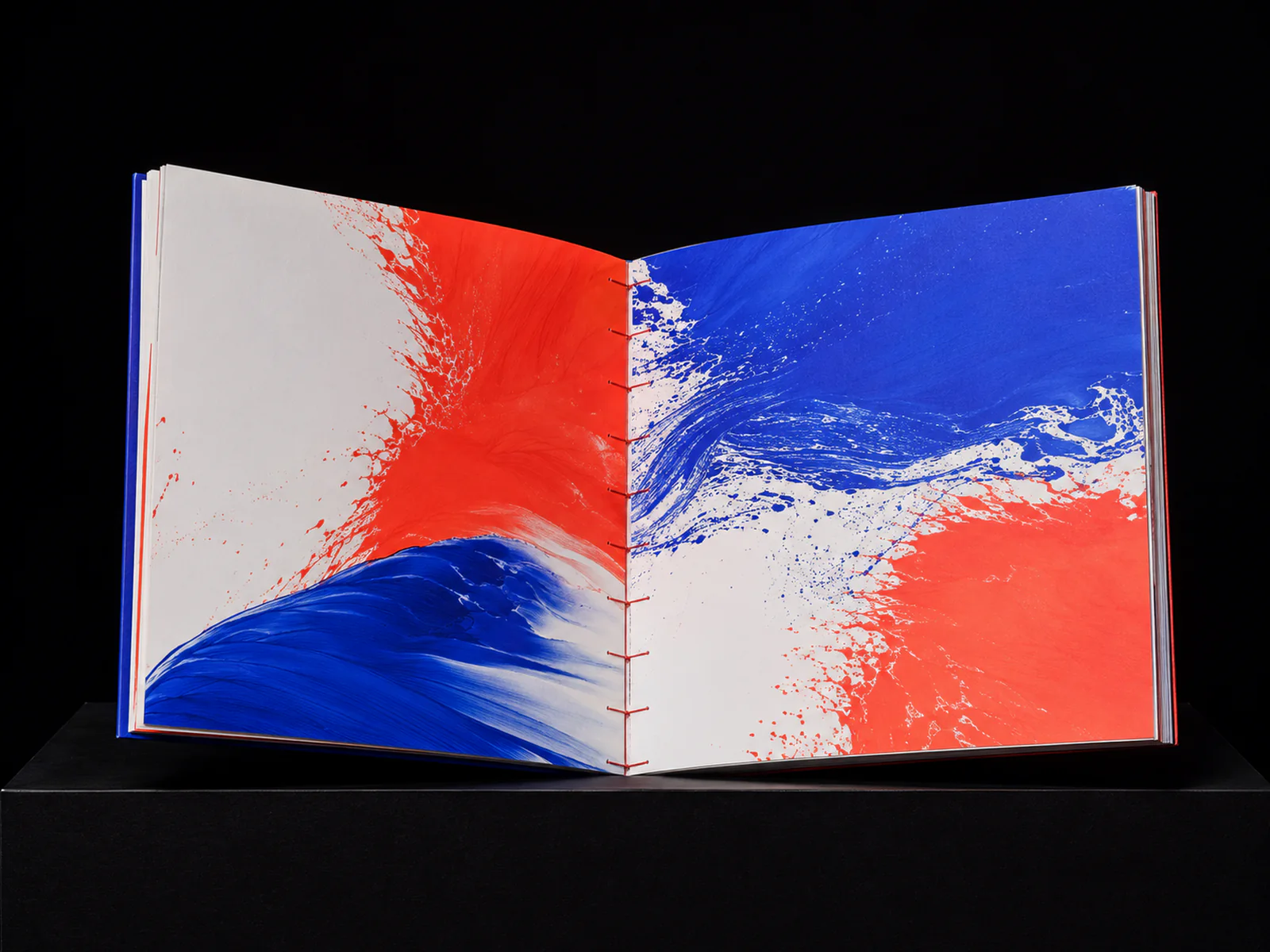
Lay-flat, exposed-sewn and some Swiss-bound structures open especially well. Page count, stock weight, image crossovers and handling determine the best option.
Yes. Stock changes can separate chapters or distinguish image and text sections. We test total bulk and binding compatibility before production.
Yes. Prepress covers bleed, resolution, colour space, ink coverage, spine width, overprint, imposition risks and finish layers.
Request a production plan
Share the dimensions, quantity, site, artwork status and deadline for books & editorial. We will confirm the material, production route and installation scope.