Quantity changes the production method
Digital printing has low setup and works well for short runs or multiple versions. Offset carries more preparation but often improves unit economics as quantity grows.
A lower unit price can still increase the overall project cost if it creates excess stock that will become outdated.
Size and sheet efficiency matter
A small change in finished size can fit another item on the parent sheet, reduce waste or avoid a larger machine. Ask whether dimensions can move slightly without hurting the design.
For books and brochures, page count and imposition also affect paper use and binding.
Finishing adds setup and handling
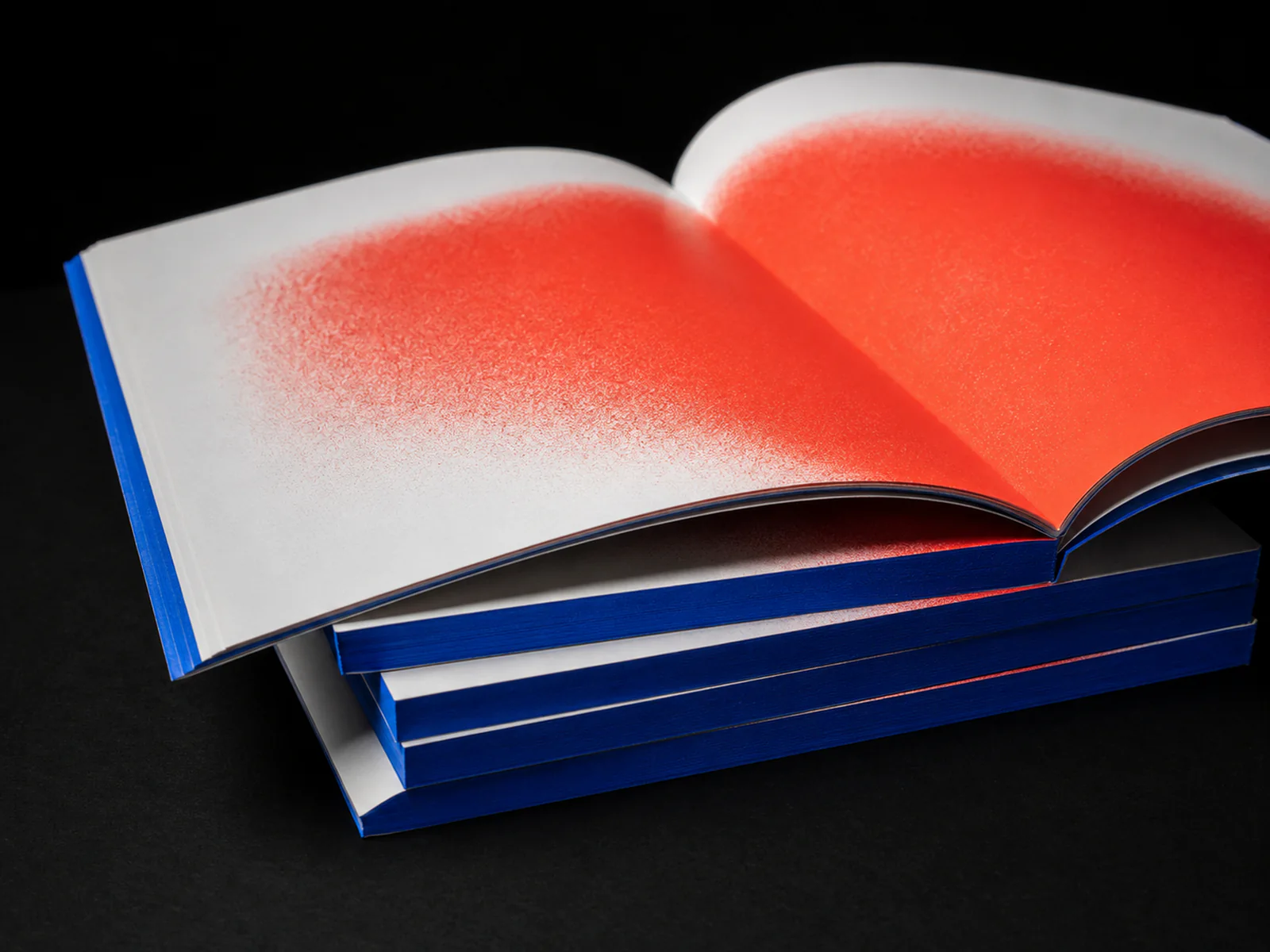
Foil, embossing, spot coating, lamination, custom cutting and edge colour are separate stages. Some require tooling; most require setup and additional quality control.
One well-chosen finish can often create more impact than several effects competing for attention.
Versions can save or add cost
Digital workflows handle changing names, languages and locations efficiently. Offset versions may require new plates or separate runs. Decide what is truly variable before quoting.
Bilingual content itself is not an extra print process, but extra pages, panels, proofreading and file preparation can affect the route.
Ask for the assumptions
A useful quote identifies quantity, size, paper, colours, finishing, proofing, packing, delivery, validity and exclusions. It should also explain which details are provisional.